



Choosing the right white plastisol ink can make or break your screen printing project. Whether you're printing on cotton, polyester, or blends, having the right white ink ensures brilliant coverage, smooth prints, and lasting durability. Today, we're diving into four outstanding plastisol white inks that have earned their place in print shops across the industry. Each brings unique strengths to the table. Let’s take a closer look at what sets them apart.
1. Wilflex Amazing Bright Tiger White
Best Uses for Cotton & Blend Garments
Amazing Bright Tiger White is a versatile powerhouse that excels as both an underbase and a standalone white. This non-phthalate ink delivers premium opacity with a brilliant white finish and excellent fiber mat-down. It works beautifully across a wide range of mesh counts and handles everything from manual to automatic presses with ease. The ink cures at 300°F and offers moderate bleed resistance, making it ideal for cotton and cotton/polyester blends.
Production Benefits for Professional Printers
For print shops that need one reliable white ink that can handle multiple applications, Amazing Bright Tiger White is a smart investment. Its versatility means you can use it for flash whites, highlight whites, and direct printing without switching products. The creamy consistency makes it user-friendly, and its ability to print through various mesh counts from low to high gives you flexibility in your production workflow. Plus, the soft hand feel and matte finish create a contemporary look that customers love.
Why Print Shops Choose This White Plastisol Ink
"The Bright Tiger white has a few properties I prefer over some brands. It is creamy and won't drag across the screen after printing. It is a superior base white with awesome printability on top colors," shares one experienced print shop customer. Another adds, "Halftones print amazing even on 300 and up mesh counts, and it cures to a nice matte finish and stretches like no other."
 2. Union Ink UPLC1071 Sport LC Poly White
Best Low-Cure White Plastisol Ink for Polyester
Union Ink UPLC1071 is a specialized low-cure, low-bleed white designed specifically for 100% polyester fabrics. Part of Union's Gen 2 Sport LC line, this ink offers excellent bleed resistance and superior dye blocking capabilities. It cures at lower temperatures, which helps prevent dye migration and reduces energy consumption. The improved formula provides a creamy consistency, softer hand, and matte finish with enhanced fiber mat-down.
Dye Migration Control on Performance Fabrics
If you're printing on polyester athletic wear or performance fabrics, UPLC1071 solves the common nightmare of dye migration. By curing at lower temperatures, this ink prevents those frustrating instances where garment dyes bleed through your print. The lower cure temperature also means faster production times, reduced shrinkage on heat-sensitive fabrics, and lower energy costs. For shops specializing in sports uniforms or polyester garments, this ink is practically essential equipment.
Real-World Print Shop Performance
This ink is part of the Sport Victory Colors line approved by BSN Sports as part of their Core 24 product portfolio, indicating it meets rigorous standards for athletic apparel printing. The Gen 2 formulation represents Union Ink's commitment to improved printability while maintaining excellent bleed resistance and opacity on challenging polyester substrates.
For printers working with performance wear and polyester fabrics, UPLC1071 offers the specialized performance needed to deliver quality prints that last.
3. Rutland Low Bleed Street Fighter 2
Best Everyday White Plastisol Ink for Cotton and Poly Blends
Street Fighter 2 LB is Rutland's extremely popular multi-purpose workhorse for everyday printing. This low-bleed white delivers excellent brightness with a satin hand and matte finish. It offers outstanding bleed resistance, opacity, coverage, and printability, with fast flash times and minimal after-flash tack. The ink features optical brighteners to maintain brilliant whiteness under various lighting conditions, and it mats down garment fibers beautifully for smooth, professional prints.
Reliable Results for High-Volume Screen Printing
Street Fighter 2 LB represents exceptional value. It's designed to be your go-to daily driver for cotton/polyester blends. The fast flash time means higher productivity, while the low after-flash tack eliminates the need for cool-down stations. Its creamy, short-body consistency makes it incredibly easy to print with, requiring no viscosity modifiers. Whether you're printing on heavier fleece garments or lightweight softer fabrics, this ink adapts to your needs. The combination of affordability and performance makes it ideal for shops that need reliable, consistent results across varied projects.
Shop-Tested Performance Insights
Industry experts praise Street Fighter 2 LB's versatility and reliability. It's described as having "excellent bleed resistance, opacity, coverage and printability" with "great fiber mat down." The contemporary satin finish matches well with modern printing aesthetics, and printers appreciate that it's suited for everything from heavy fleece to lightweight garments without formula changes.
For print shops seeking dependable performance without breaking the bank, Street Fighter 2 LB delivers professional results day in and day out.

4. Rutland Super Poly Plus White
Maximum Bleed Resistance for Polyester Printing
Super Poly Plus White is Rutland's flagship polyester ink and the highest-rated bleed resistance ink in their entire portfolio. This premium non-phthalate formula is specifically engineered for printing on 100% polyester and high-polyester-content blended fabrics. It delivers superior printability, exceptional opacity, quick shear action, and outstanding coverage. The ink maintains its viscosity throughout production runs, ensuring consistent bleed resistance from start to finish. It cures at 320°F and produces very bright white prints with excellent mat-down.
Preventing Costly Reprints Caused by Dye Migration
When you're facing challenging polyester fabrics with unstable dyes, Super Poly Plus White is your insurance policy against print failures. Its complex chemistry provides the highest level of dye migration resistance available, protecting your prints even on difficult-to-print polyester. The ink excels as both an underbase for multi-color jobs and as a standalone white, offering flexibility in your printing approach. For shops that specialize in polyester printing or frequently encounter bleeding issues, this premium ink eliminates costly reprints and unhappy customers.
Printer Feedback on Coverage, Flash, and Printability
"Quick flash and it mats down well!" notes one satisfied user. The technical specifications emphasize that this is Rutland's best-in-class poly white, designed specifically to hold sublimation on prints cured at standard temperatures. Printers appreciate that despite its complex chemistry and different body texture, it remains highly printable while maintaining superior bleed blocking throughout production.
When failure isn't an option and you need maximum dye migration resistance for polyester fabrics, Super Poly Plus White is the professional's choice.
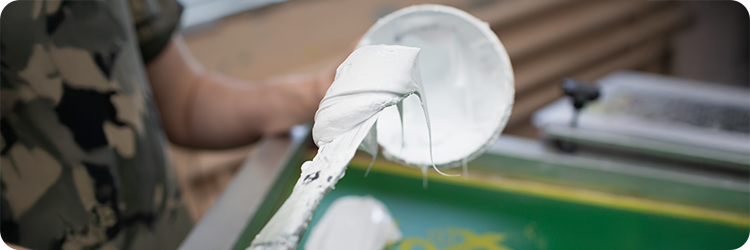
Choosing the Right White Plastisol Ink for Your Screen Printing Operations
Each of these white inks excels in its intended application:
 |
Wilflex Amazing Bright Tiger White: Your versatile all-rounder for cotton and blends, perfect for shops needing one reliable white for multiple applications |
 |
Union Ink UPLC1071: The low-cure specialist for polyester athletic wear and performance fabrics |
 |
Rutland Street Fighter 2 LB: The value champion for everyday cotton/poly blend printing with excellent results |
 |
Rutland Super Poly Plus White: The premium solution for challenging polyester fabrics requiring maximum bleed resistance |
Consider your primary printing applications, the fabrics you work with most, and your production requirements. Investing in the right white ink for your needs will improve your print quality, increase productivity, and reduce headaches. Many successful print shops keep multiple whites on hand to address different substrate challenges, there's no rule that says you must choose just one!
Whatever you choose, these proven performers have earned their reputations through consistent quality and reliable results in print shops worldwide.
| Ink Name | Garment Type | Bleed Resistance | Cure Temperature | Value |
|---|---|---|---|---|
| Rutland Street Fighter 2lb | Cotton/Poly Blends (50/50) | Moderate |
320°F | $$ Best value for everyday use |
| Wilflex Amazing Bright Tiger White | Cotton/Poly Blends (50/50) | Excellent | 300°F | $$$ Premium versatility option |
| Union Ink UPLC1071 | 100% Polyester & Athletic Wear | Excellent | Low-Cure (250°F – 280°F) |
$$$ Specialized Poly Solution |
| Rutland Super Poly Plus White | 100% Polyester & Athletic Wear | Best-in-Class (Highest) | 320°F | $$$ Specialized Poly Solution |