



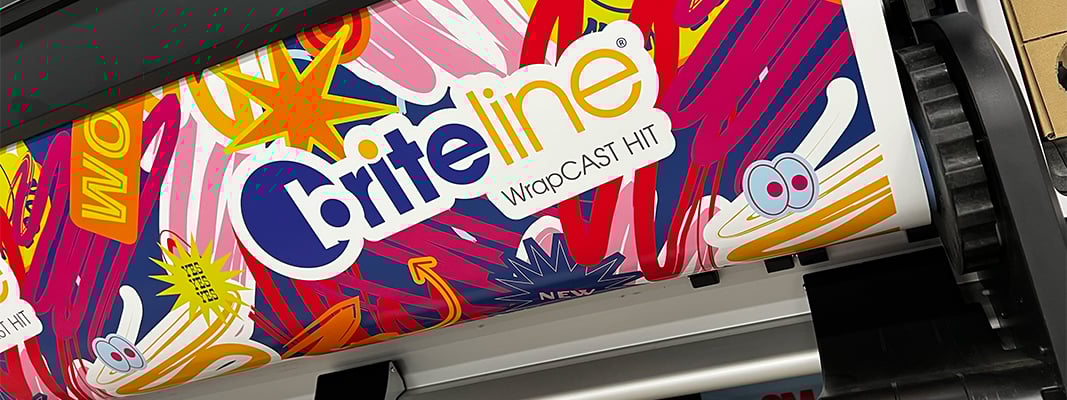
Choosing between Briteline WrapCAST HIT and Briteline WrapCAST Vinyl isn't about picking a winner; it's about matching the right film to your installation style and project demands. Both are cast vinyl films built for demanding wrap applications, but they handle very differently during install. Understanding these differences will help you work more efficiently and deliver better results for your clients. Briteline is Grimco's own cast vinyl line, developed exclusively for professional wrap installers and available through Grimco locations nationwide.
In this guide, we’ll break down the differences in a clear, practical way, explain when to use each film, and show you how to pair them with the correct Briteline WrapCAST overlaminates for best performance.
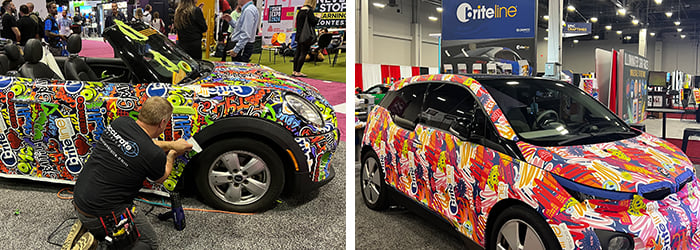
What WrapCAST HIT and WrapCAST Vinyl Have in Common?
Before we get into the differences, it’s important to note what these two films share, because both of these films are serious workhorses:
-
Both feature cast vinyl construction that delivers excellent conformability around complex curves and contours.
-
They're designed specifically for vehicle wraps, fleet graphics, and challenging surfaces, including corrugations and rivets.
-
Both films are printable and compatible with common wrap workflows, making them versatile choices for professional installers.
-
When properly laminated, each film is suitable for long-term applications that need to withstand outdoor conditions.
Professional installers across the country have put both films through demanding applications, from full vehicle wraps in hot climates to high-traffic wall graphics in retail environments. While both films deliver professional results, the choice between them often comes down to how quickly you need the film to bite and hold position during install.
Briteline WrapCAST Vinyl: Flexible, Forgiving, and Installer‑Friendly
Briteline WrapCAST Vinyl is the original WrapCAST film that built our reputation, and there's a reason it's stuck around. It's the go-to option for shops that want maximum flexibility during installation. The film features a lower initial tack adhesive that allows it to be positioned, lifted, and repositioned before full adhesion sets in. This slideable, repositionable characteristic gives installers more control over graphic alignment, especially on large panels or complex designs.
This approach is particularly valuable when you're working solo on vehicle wraps where panel alignment matters. The film won't aggressively grab the moment it touches the surface; it gives you breathing room to ensure the graphics line up properly before committing. For shops training new installers or handling varied project types where installation speed isn't the primary concern, this forgiving behavior reduces stress and material waste. Nobody likes peeling up a graphic they just placed because it grabbed the wrong way.
WrapCAST Vinyl performs especially well on vehicle wraps where precise alignment is critical. And here's a bonus: the lower tack can be a lifesaver in hot climates where you need extended working time before the adhesive fully activates.
Best Overlaminate for WrapCAST Vinyl: The 2.0 Mil Pairing
For WrapCAST Vinyl, pair it with the Briteline WrapCAST Overlaminate – 2.0 mil. The slightly thicker 2.0 mil laminate complements the vinyl's flexibility while providing up to 7 years of durability for vehicle applications. It delivers extra protection from UV exposure, abrasion, and wear, helping maintain color vibrancy and finish over time in demanding outdoor environments.
Which finish you pick usually comes down to the job in front of you, not just personal preference.
- Gloss is the go-to for fleet graphics and vehicle wraps where the client wants maximum visual impact; it's the finish that photographs well and holds up in showroom lighting.
- Satin is the safer call when you're not sure which way the client will lean; it splits the difference between gloss and matte, which makes it a common default for retail wall graphics under mixed lighting.
- Matte earns its keep on wraps and wall graphics that sit in direct sun most of the day; killing the glare keeps the graphic legible from more angles, which matters more outdoors than it does in a showroom.
- Optically Clear is for jobs where the design already has its finish baked in, like a printed metallic or chrome effect, and you need protection without changing the look the client already approved.
Briteline WrapCAST HIT: Built for Installers
.jpg?width=500&height=333&name=Wrapcast-HIT-Commercial-Vehicle-1%20(1).jpg)
Briteline WrapCAST HIT (High Initial Tack) represents the next level of professional wrap film technology. This 2.0 mil cast vinyl was engineered with features that experienced installers demand from premium wrap films. The stronger initial adhesive reduces panel movement and helps maintain control on challenging surfaces. Because once you've committed, you want it to stay committed.
What Makes WrapCAST HIT Different on Vehicles and Walls?
Immediate Surface Grab and Control
The defining characteristic of WrapCAST HIT is its medium-to-high initial tack adhesive. Translation? The film quickly adheres to the surface once positioned, reducing the risk of shifting during complex installs. This immediate grab is especially valuable when wrapping challenging contours, working solo on large panels, or tackling vertical surfaces where gravity is actively working against you. Once heat and pressure are applied, the pressure-activated adhesive creates a strong bond between the film and substrate that holds through temperature fluctuations and environmental stress. WrapCAST HIT's adhesive backing also includes air-release technology, so trapped air escapes as you apply pressure instead of getting locked under the film. That's one less thing to chase down with a squeegee on a job where you're already moving fast.
Slideability When You Need It
Here's the thing: while the film grabs quickly, it still offers slideability during initial positioning. This means you can make micro-adjustments before applying pressure, giving you the best of both worlds: control during placement with confident adhesion once committed. This balance rewards decisive installation techniques while still allowing for minor corrections. It's firm, not stubborn.
Versatile Application Range
WrapCAST HIT excels on a wide range of surfaces, including vehicle wraps, flat surfaces with rivets, simple curves, corrugations, and compound curves. But where it really shines is on smooth or textured wall graphic applications, especially on vertical or high-traffic walls where stronger initial adhesion prevents the film from sagging or shifting during install, because the last thing you need is graphics sliding down the wall while you're mid-application.
Best Overlaminate for WrapCAST HIT: Why the 1.3 Mil Works
For WrapCAST HIT, pair it with the Briteline WrapCAST Overlaminate – 1.3 mil, available in Gloss and Matte finishes. With up to 5 years of durability, it offers excellent UV protection to prevent yellowing and keep your wraps looking fresh.
This ultra-flexible cast laminate is specifically designed to preserve the conformability that makes WrapCAST HIT so effective on detailed surfaces. The thinner 1.3 mil construction maintains a smooth, professional finish while helping the entire wrap system stay flexible, making it easier to work the film into tight areas, around rivets, and over compound curves without adding unnecessary thickness that could compromise conformability.
Vehicle Wraps vs. Wall Graphics: Choosing the Right WrapCAST Film for Your Application
Both Briteline WrapCAST films are versatile enough for vehicles and walls, but here's how to think about your choice:
Choose WrapCAST Vinyl for maximum repositionability and a more forgiving install. This is your film for projects where alignment precision takes priority over installation speed, or when working with less experienced installers who benefit from extra working time. Depending on your experience level, you can also use this for wall graphics; however, just reinforce it with some edge sealer tape during install, then post-heat your graphic to lock everything in place.
Choose WrapCAST HIT when you need a stronger initial grip for vehicle wraps, vertical walls, or complex surfaces. The higher tack makes it ideal for experienced installers tackling challenging contours, full vehicle wraps, fleet graphics, or any application where installation efficiency matters. Because of its higher initial tack, it's a perfect solution for slightly textured walls. Time is money, and this film respects that.
Installer experience, surface condition, job complexity, and working environment should all guide your decision. Both films deliver professional results; the difference is in the installation experience, not the result.
Picking the Right Film for Your Wrap Shop
When evaluating which film to stock or spec for a project, consider your shop's workflow and client base. Shops that handle high-volume wraps with experienced installers often prefer the efficiency of WrapCAST HIT because the faster tack-down translates directly to more productivity. More wraps per day means more revenue, plain and simple.
Those training new staff or shops handling varied project types appreciate the versatility and forgiving nature of original WrapCAST Vinyl. It's a confidence builder for installers who are still developing their technique and need a film that won't punish small hesitations, or perfect for those experienced installers who like the low initial tack.
The Bottom Line
Both films deliver professional durability when properly installed and laminated. The difference isn't in the quality of the end result; it's in how you get there. WrapCAST Vinyl gives you more time to think and adjust. WrapCAST HIT gives you a confident grip and faster installation. Choose based on your experience level, project demands, and installation preferences.
Briteline WrapCAST Vinyl and Briteline WrapCAST HIT are both professional-grade cast films designed to deliver excellent results for vehicle wraps, fleet graphics, and wall applications. The difference comes down to adhesive behavior and installation style. Pair each with its recommended WrapCAST overlaminate for a wrap system built to last.