



Investing in new wide format printing equipment is one of the bigger decisions a shop owner will make. The cost is real, the installation takes planning, and the timing question never goes away: do we move now, or push it another year?
If you're running a high-volume sign shop and your current equipment is becoming the limiting factor, the window may be closer than you think. This article walks through the operational signals that point toward an upgrade, what Vanguard Digital Printing Systems offers production-focused shops, and how to approach the timing strategically.
Signs That Your Wide Format Printing Equipment is Holding You Back
Not sure whether you need new equipment or can squeeze another year out of what you have? These are the patterns that tend to show up before shops make the move.
Production Bottlenecks in High-Volume Sign Printing
If job queues are stretching out and customers are hearing "next week" more often than they should, you've likely hit a capacity ceiling. Industrial wide format printer speeds in Vanguard flatbeds are configured for print speeds ranging from 1,500 to 6,000+ sq ft/hr depending on setup, which can meaningfully increase daily output without adding shifts.
Flatbed Printer Downtime Is Affecting Your Bottom Line
Aging printheads, frequent maintenance windows, and parts delays don't just slow production, they affect scheduling and customer relationships. Vanguard printers are built with Kyocera and Ricoh printheads, Bosch magnetic rail systems, and liquid-cooled LED curing, components selected for consistency under sustained production loads.
Substrate Limitations Are Costing Your Sign Shop Revenue
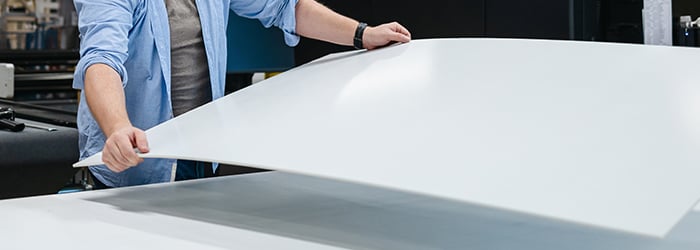
Can your current printer handle 4" thick materials, warped substrates, or a switch between rigid and roll media without a full reconfiguration? If substrate limitations are costing you jobs, that's revenue going to a competitor who can say yes.
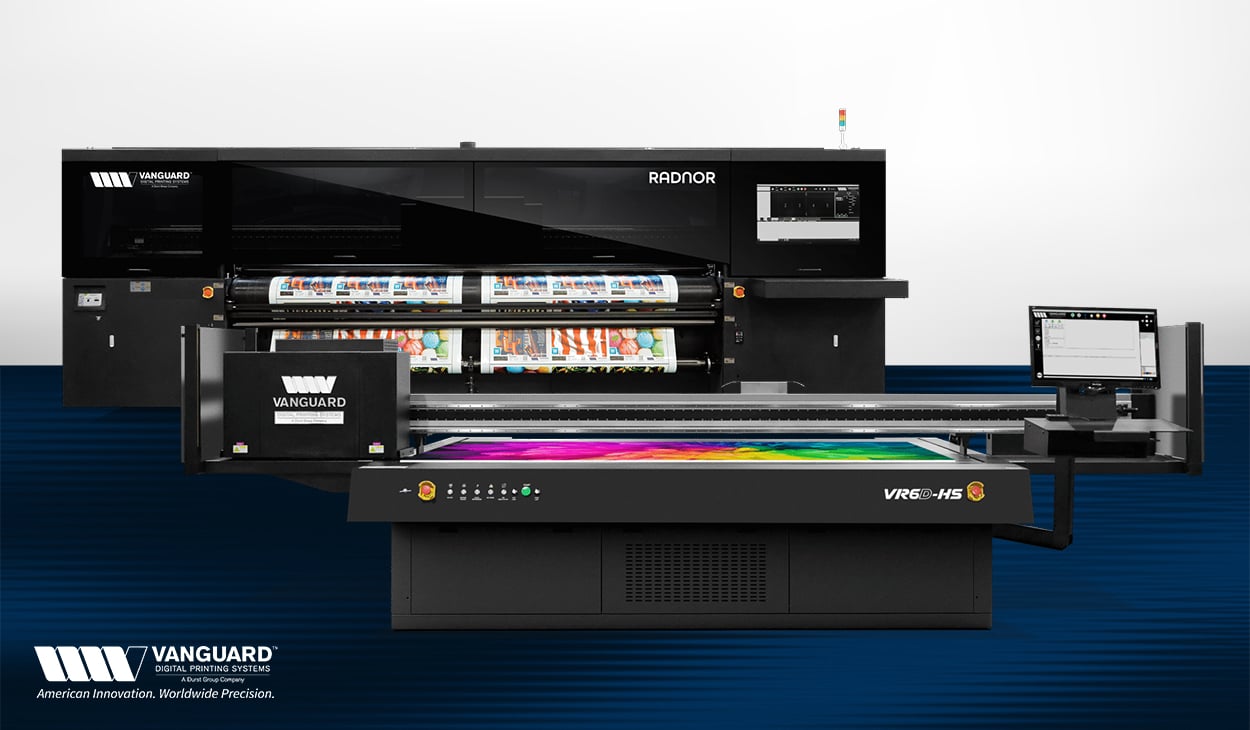
- The VR6D-HS and Natchez handle substrates up to 4" thick
- The Radnor runs rigid and roll media in a single hybrid system
- The Natchez uses superior vacuum hold-down to manage challenging or uneven materials
Why Printhead Technology Matters in Industrial Flatbed Printers
High-visibility signage and retail displays leave little room for banding, inconsistent color, or adhesion issues. Vanguard uses small drop sizes — 4 to 7 picoliter — from Kyocera and Ricoh Gen6 printheads. Combined with liquid-cooled UV-LED curing, ink adhesion stays consistent without heat distortion on sensitive materials.
Labor Costs Are Running Higher Than They Should
If operators are spending significant time babysitting print runs or reworking quality issues, that's a workflow problem new equipment can address. Features like auto height detection, one-touch pin registration, and streamlined software reduce the repetitive manual steps that eat into margins.
When Equipment Plateaus Growth in a Sign Shop
You've tightened the workflow, trained the team, cut inefficiencies but revenue has leveled off. Sometimes the constraint isn't process-based; it's the physical limits of the equipment. Vanguard's field-upgradeable configurations let shops start with a single-row setup and expand printhead rows as demand grows, without replacing the machine outright.
Why Vanguard Digital Printing Systems are Built for High-Volume Production
Beyond addressing immediate pain points, upgrading to a Vanguard system changes what your shop can take on.
Scalable printhead configurations in Vanguard Flatbed Printers.
Vanguard's modular design means you're not locked in at purchase. Add printhead rows as volume increases without buying an entirely new machine.
Rigid and rolled media capability in hybrid flatbed printers.
From indoor signage and outdoor displays to retail fixtures and packaging prototypes, Vanguard handles a wide range of large-format applications. The Radnor's hybrid capability means rigid and flexible substrates run on the same platform, which simplifies scheduling and reduces equipment overhead.
Reducing cost per print with high-speed UV flatbed technology.
Faster speeds, reliable uptime, and efficient ink usage reduce cost per print over time. When throughput improves and waste decreases, ROI timelines compress.

Greenguard Gold certified inks for commercial wide format printing.
Vanguard's UV-LED inks meet indoor air quality certification standards, making them usable in sensitive environments like schools and healthcare facilities — opening up markets that aren't accessible with non-certified inks.
How to Time Your Wide Format Printer Upgrade for Maximum ROI
The decision to upgrade is one thing. When to move is another.
Plan Around Your Seasonal Workflow
Installation, training, calibration, and workflow integration all take time. If your shop has slower months, that's the window to work with. A full equipment transition during peak season creates unnecessary risk.
Understand the Tax Implications Before Year-End
Section 179 tax deductions and bonus depreciation rules can significantly affect the real cost of a capital equipment purchase like commercial printing equipment. Many shops find that purchasing before fiscal year-end changes the numbers — worth a conversation with your accountant before assuming timing doesn't matter.
Don't Let Equipment Failure Drive the Decision
Buying a new printer under emergency conditions eliminates leverage on financing and puts the transition under pressure. Proactive planning gives you time to evaluate options, train staff, and set up the new system properly.
Align the Purchase With a Business Inflection Point
Opening a second location, targeting a new vertical, or landing a major anchor contract are natural moments to evaluate equipment. An upgrade at one of those inflection points supports the growth move rather than trailing behind it.
How Grimco Supports Your Vanguard Wide Format Printer Upgrade
Choosing the right equipment is only part of the equation. Getting up and running efficiently with the right inks, substrates, and support already in place is what protects your investment after installation.
Grimco's local experts carry Vanguard inks and consumables and ship fast, so you're not waiting on supplies when production starts. That logistics infrastructure matters more than it sounds during the early weeks with a new system, when your team is still building confidence and optimizing the workflow.
What to Expect When You Work With Grimco
Our team can help you work through the practical side of the decision before you commit:
- Assess your current production capacity against actual demand
- Calculate ROI based on your specific job mix and volume
- Walk through financing options and tax timing considerations
- Identify which Vanguard model fits your shop's workflow and growth trajectory
- Plan installation timing to minimize production disruption
If you've checked off two or more of the capacity indicators above, it's worth having that conversation now. If you've checked off four or more, the cost of waiting is likely higher than the cost of moving forward.
FAQs