



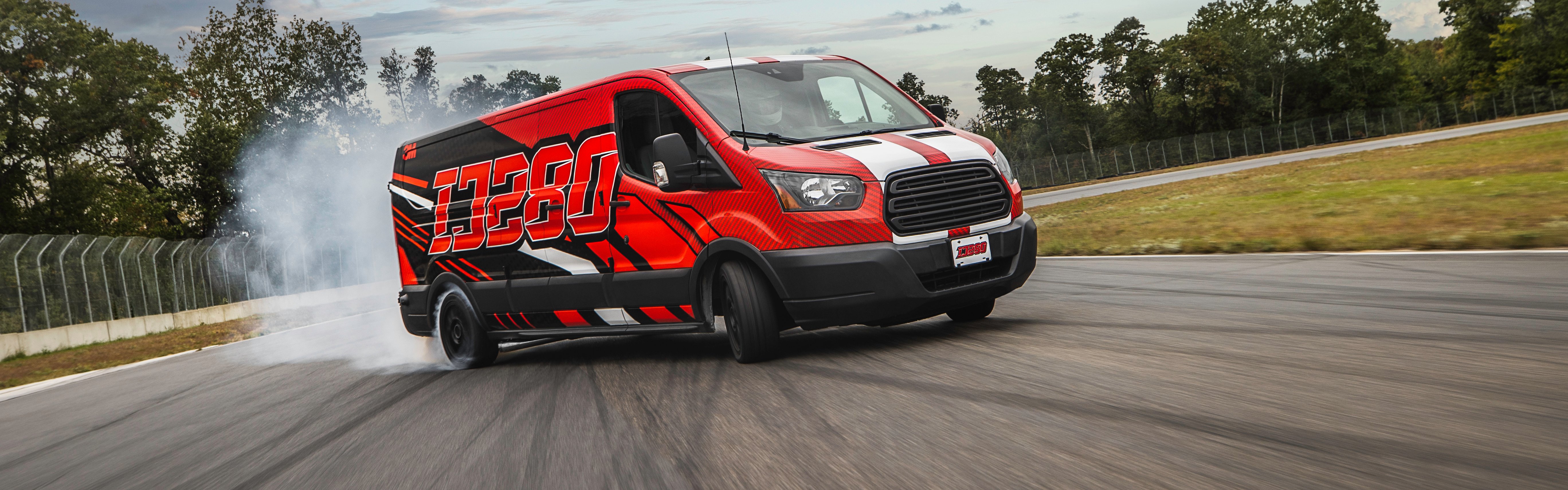
When 3M releases a new print wrap film, the question most installers and converters ask is straightforward: is it actually better for the jobs I'm running, or is it just new?
The IJ280 Cv4 is a genuine step forward from the IJ180 Cv3, but the differences are specific. They show up in install conditions, outgassing workflow, and how the adhesive behaves on printed film. Whether the upgrade matters for your shop depends on what jobs you're running and where the IJ180 was giving you friction.
This comparison breaks down the four key differences between the two films so you can make that call. Both films are stocked at Grimco and available for same or next-day shipping from locations nationwide.
How IJ280 Cv4 Differs From IJ180 Cv3
Both the IJ280 and IJ180 Cv3 are cast print wrap films. Cast construction is what allows them to conform and stay on complex vehicle surfaces that a calendered film can't handle long-term.
The IJ280 isn't a complete departure from the IJ180 Cv3. It's cast, it's conformable, and it uses 3M Controltac adhesive technology. What changed is how each of those things performs under install conditions, particularly on complex curves, recesses, and printed graphics with heavy ink coverage.
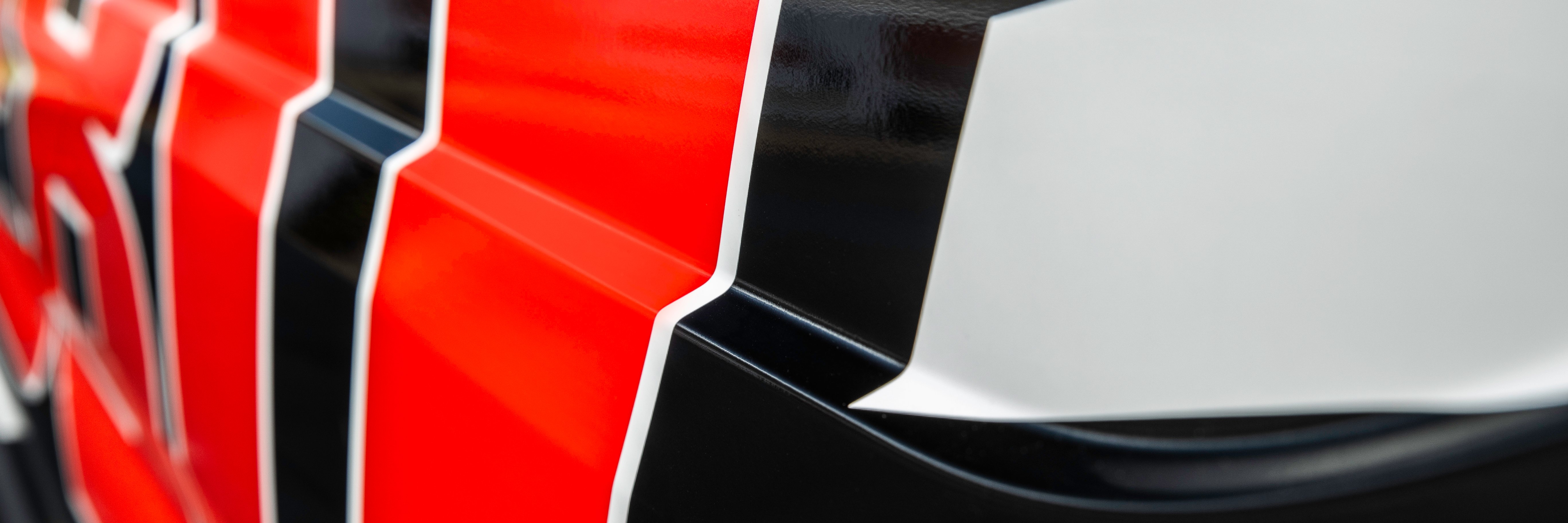
The four differences that matter for production:
- Conforms further at room temperature, reducing heat-gun time on compound curves and recesses
- Comply v4 Air Release eliminates channel collapse, so missed squeegee passes don't require lifting
- Adhesive tack is optimized for sliding and repositioning before final commit, regardless of printer platform
- Solvent lock vapor barrier cuts minimum outgassing time from 24 hours to 8, keeping production schedules tighter
Conformability and Heat Requirements
How IJ280 Handles Complex Curves and Recesses
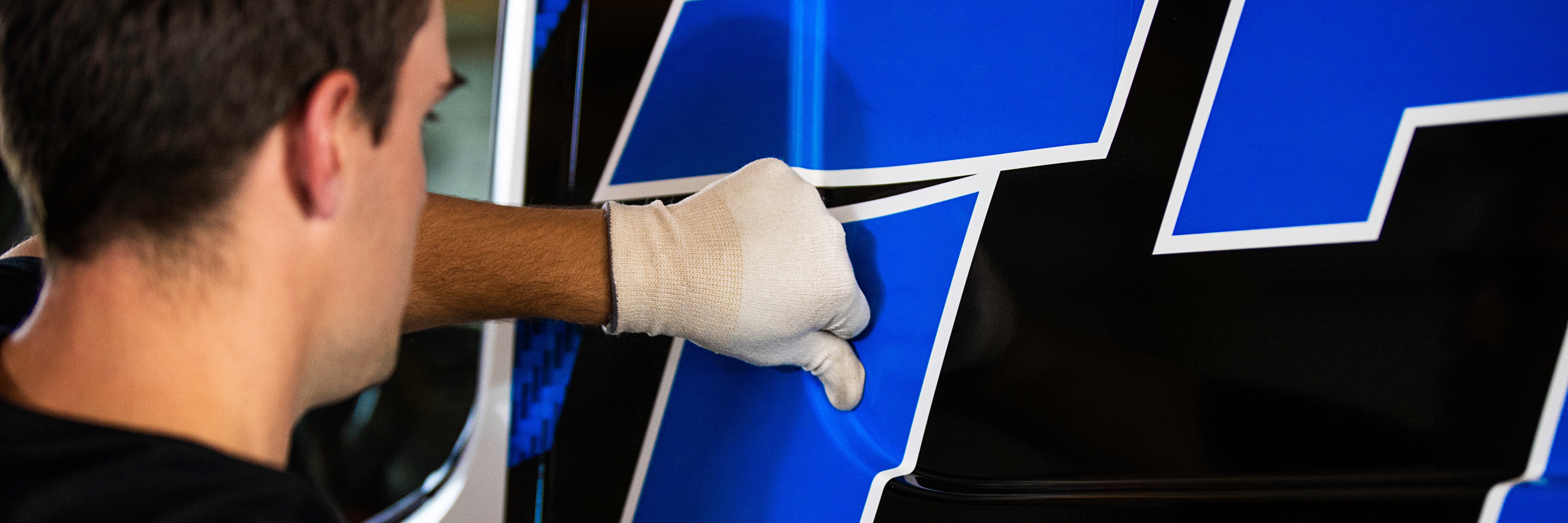
The IJ280 film conforms further at room temperature than the IJ180 Cv3, which means less heat is required to work film into compound curves, door handles, and deep recesses. Wrinkles dissipate with minimal heat application, and the film can be repositioned even after heating if a correction is needed. For installers doing high-detail work or tight deadline jobs, the reduced heat dependency translates to fewer steps between laying the film and committing to the install.
Where IJ180 Cv3 Still Works Well
The IJ180 Cv3 remains a solid film for flatter surfaces and less complex applications. If your shop's work skews toward fleet graphics, basic vehicle lettering, or panel work without deep recesses, the IJ180 Cv3 performs reliably and the conformability difference is less likely to affect your output. The upgrade to IJ280 delivers the most measurable benefit on vehicles with significant body contouring or installation conditions where extended heat work creates scheduling pressure.
3M Comply v4 Air Release
What Changed From Previous Comply Versions
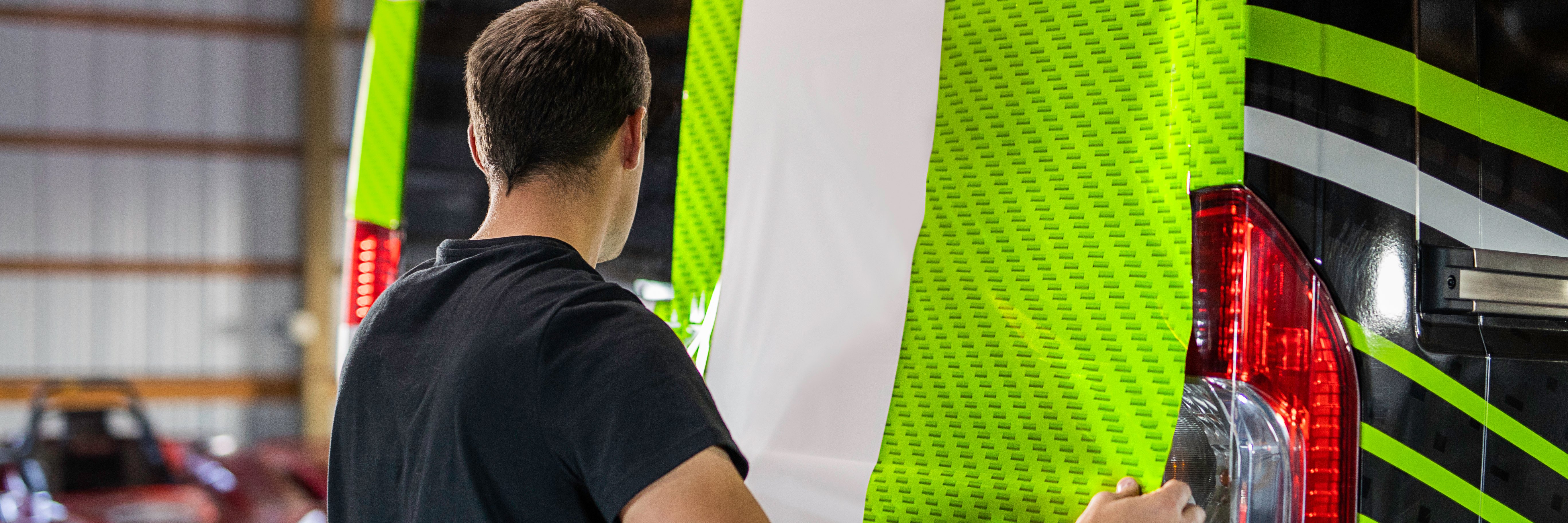
The Comply v4 Air Release pattern in the IJ280 eliminates channel collapse, a failure mode in earlier adhesive channel designs where air channels compressed under squeegee pressure and lost their ability to carry air out to the edge. With v4, air flow is maintained through the full pass, and the finish is non-visible once the film is laid. Bubbles can be worked out without lifting the film if a squeegee pass is missed.
What This Means on a Real Install
For installers, the practical result is less rework. On the IJ180 Cv3, a missed squeegee pass could require lifting a section to re-work trapped air. The v4 pattern reduces that risk. Installations run faster and with more confidence on surfaces where consistent squeegee pressure is hard to maintain.
Adhesive Performance and Repositionability
Slide, Tack, and Holding Power on IJ280
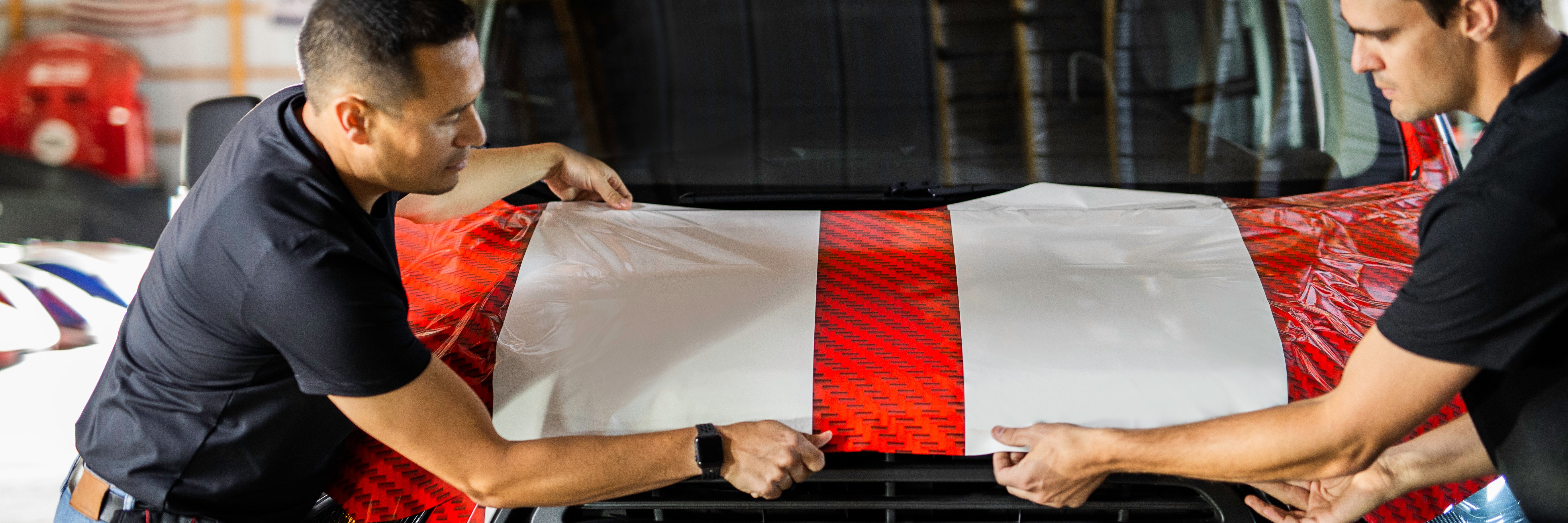
The IJ280 uses a new proprietary adhesive combined with 3M Controltac technology. Initial tack is low enough for sliding and repositioning during placement, but high enough that the film stays down once committed. The combination works consistently across printer platforms, so shops running multiple printers don't have to adjust their technique based on where the graphic was produced. Once the film is down, holding power is strong, with no edge lifts under normal install conditions.
How This Compares to IJ180 Cv3 Adhesive Behavior
The IJ180 Cv3 uses Controltac adhesive with Comply micro channels. Initial repositionability is good, but the adhesive behavior on printed film can be affected by ink saturation levels, particularly if heavy ink coverage reaches the adhesive layer. The IJ280's solvent lock barrier addresses this directly.
Outgassing Time and Production Workflow
The Solvent Lock Feature and What It Prevents
The IJ280 includes a solvent lock layer, a vapor barrier built into the film construction that prevents ink solvents from migrating through to the adhesive. On films without this barrier, including the IJ180 Cv3, oversaturation or premature lamination can cause ink to outgas through the back of the film and into the adhesive, degrading its performance. The result is adhesive behavior that differs between printed and unprinted sections, and potential lift or edge failure on installed graphics.
Minimum Outgassing Time: 8 Hours vs. 24 Hours
Because the solvent lock barrier contains ink migration, the minimum outgassing time before lamination on the IJ280 has been reduced from 24 hours to 8 hours. For shops printing and laminating in the same day, this is the most operationally significant difference between the two films. A print job that would have required an overnight hold before lamination on IJ180 Cv3 can move to lamination the same shift on IJ280.
Side-by-Side Summary
| Feature | IJ280 Cv4 | IJ180 Cv3 |
|---|---|---|
| Film type | Cast | Cast |
| Conformability | Higher, less heat required | Good on flat and simple curves |
| Air Release | Comply v4, no channel collapse | Comply micro channels |
| Outgassing time | 8 hours minimum | 24 hours minimum |
| Solvent lock | Yes, vapor barrier included | No |
| Repositionability | Optimized for slide and reposition | Good initial repositionability |
| Installation speed | 20% faster vs. IJ180 Cv3* | Baseline |
| Lift resistance | 2x less lifting vs. IJ180 Cv3* | Baseline |
| MCS Warranty | Yes | Yes |
*Confirm 20% faster installation and 2x lift resistance figures against current 3M documentation before publishing.